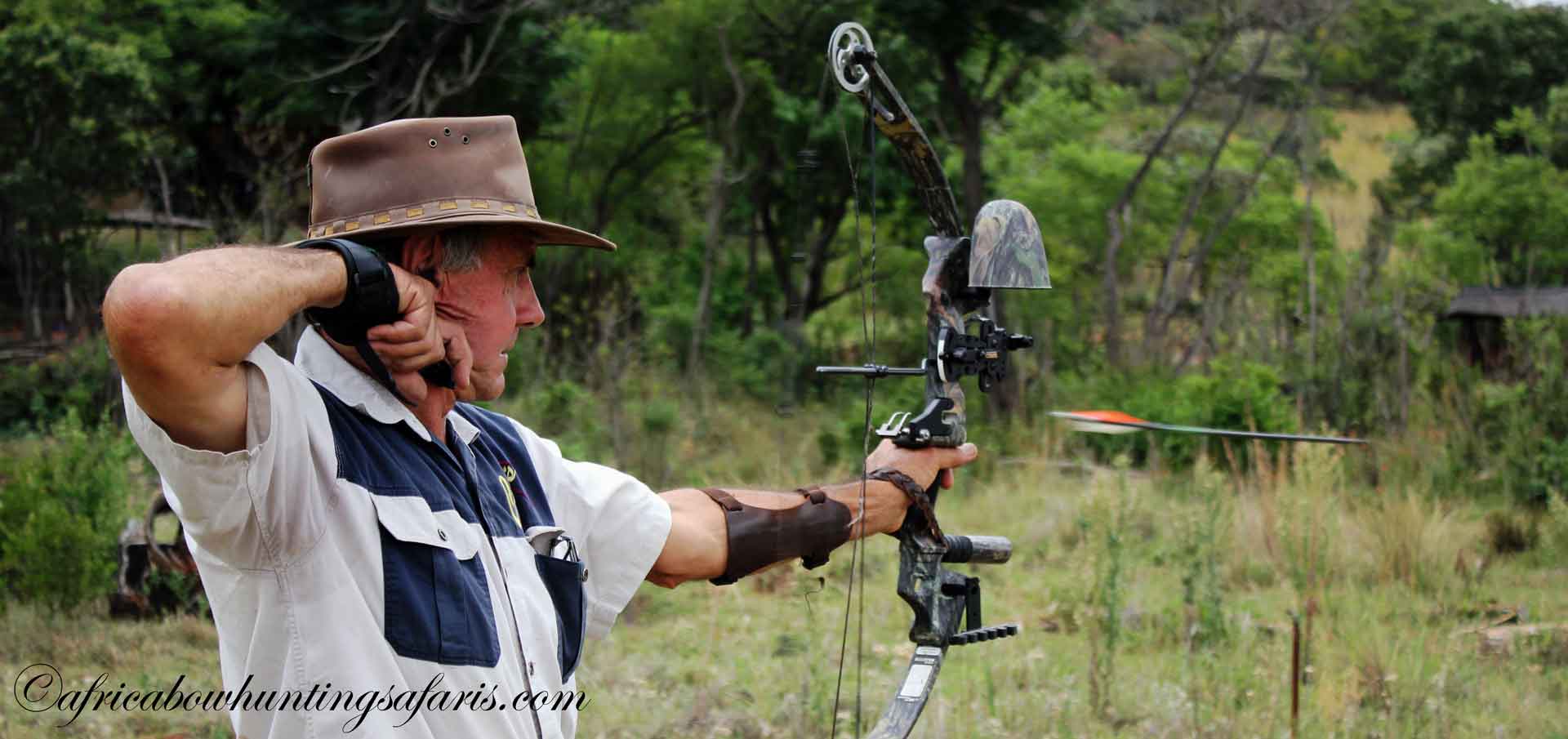
Draw weight African game: Choose the right draw weight
Introduction to draw weight African game
It is almost a given that draw weight for African game was not important to the early Khoisan (Bushmen) people who roamed large portions of southern Africa more than 300 years ago. However, with the development of bows and bow hunting, draw weight became an instrumental part of the hunt.
With technological developments, draw weight has become an important gear in the complete bow. However, it is important to know there are other gears that are available are used in the modern-day era of bow hunting.
Fortunately, other factors have been added to the dynamics of bow hunting. Very important factors like Kinetic Energy (KE), momentum, velocity, arrow weight, fletching and broad heads.
Combined, these factors make a King of our noble sport, bow hunting.
Draw weight plains game vs draw weight dangerous game
These are antelope, zebra, and various other herbivores. They require a balance between accuracy and penetration power. A dedicated page, Draw Weight for Plains Game, provides detailed information on minimum draw weight recommendations for various plains game species, alongwith factors affecting KE.
This category encompasses the “Big Five” (elephant, lion, leopard, rhino, and cape buffalo) and other formidable animals. Hunting them demands exceptional bow performance for deep penetration and stopping power. Visit the dedicated page, Draw Weight for Dangerous Game, to explore minimum, legal, draw weight suggestions for these species, emphasizing the importance of KE for ethical hunting.
Choosing the right draw weight African game you need:
This section briefly discusses the importance of individual factors that influence draw weight African game selection:
Archer strength and comfort: Draw weight must be manageable for consistent, accurate shooting throughout the hunt.
Shot placement: Ethical hunting prioritizes vital organ shots, but understanding potential deflection from bone requires sufficient KE.
Broadhead selection: Different broadheads offer varying penetration capabilities. Matching your broadhead choice with the draw weight ensures optimal performance.
Call on us:
We will gladly assist with personal recommendations based on your experience level and desired game species.
Momentum plays a significant role in bow hunting, particularly when targeting larger, tougher game. Here’s a breakdown of its influence:
Penetration depth
Impact force: A bow’s arrow possesses momentum, which is the product of its mass (weight) and velocity (speed). Upon impact, this momentum translates into force that drives the arrow into the target.
Penetration: Greater momentum increases the arrow’s ability to penetrate deep into the target, a crucial factor for a clean kill.
Ethical hunting considerations
Clean kills: Sufficient momentum and kinetic energy are essential for a clean kill, minimizing suffering.
Shot placement: While momentum and kinetic energy are important, accurate shot placement remains the primary determinant of a successful hunt.
Factors affecting momentum
Draw Weight: A higher draw weight translates to greater velocity, increasing momentum.
Arrow Weight: Heavier arrows have more mass, contributing to momentum.
Broadhead Design: Broadhead design can influence penetration and stopping power.
Momentum is a vital component of bow hunting, especially when targeting larger game. It’s essential to consider draw weight, arrow weight, and broadhead design to ensure sufficient momentum and kinetic energy for ethical andsuccessful hunts.