Bow hunting KwaZulu-Natal: A Bow Hunter's Paradise
Discover the breathtaking beauty when bow hunting KwaZulu-Natal, a province renowned for its diverse wildlife, stunning landscapes, and rich cultural heritage. Our expertly guided bow hunting safaris offer an unforgettable adventure for hunters of all levels.
Unparalleled Wildlife:
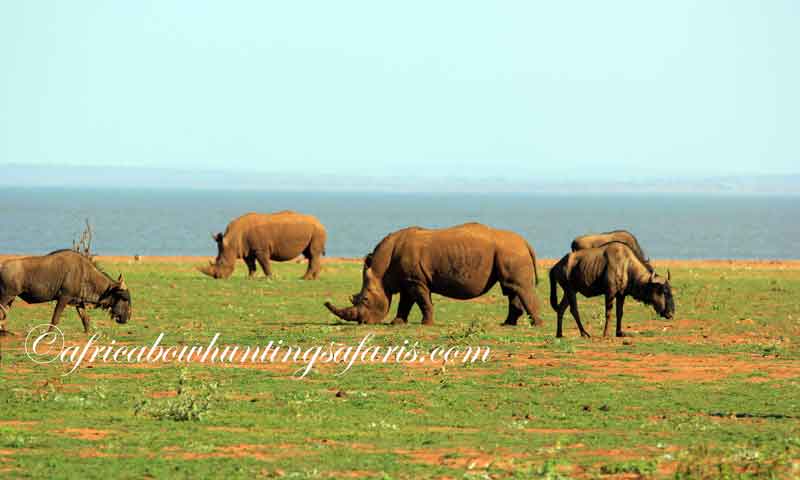
KwaZulu-Natal is home to a vast array of game species, including:
Big Game: Cape Buffalo, Leopard
Plains Game: Nyala, Impala, Kudu, Warthog, and more
World-Class Hunting Experiences:
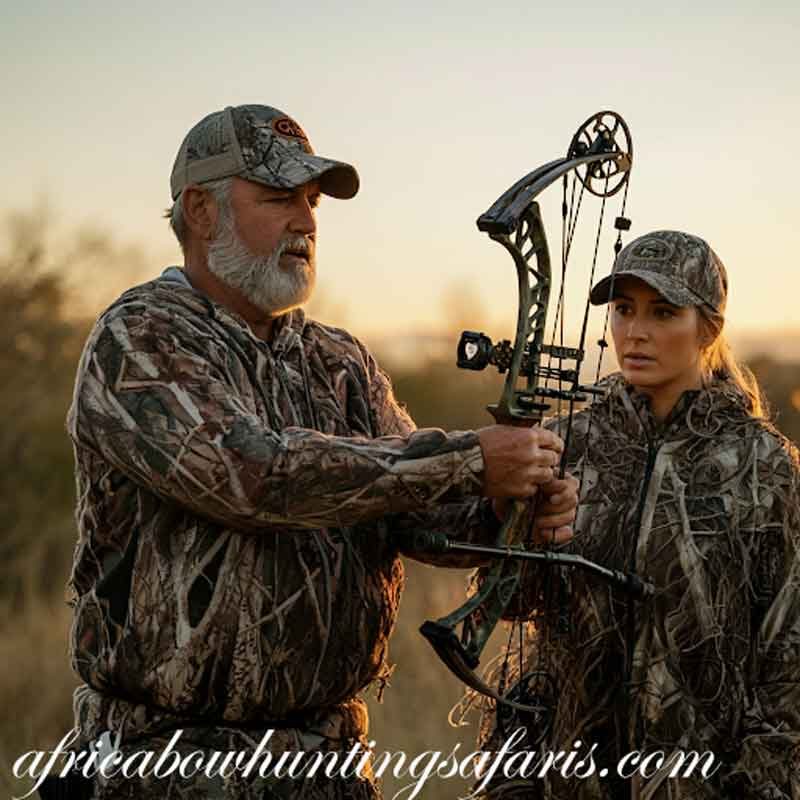
Our experienced PH’s have been bow hunting KwaZulu Natal for many years and will take you on exhilarating hunts through diverse landscapes, from the lush coastal plains to the rugged Drakensberg Mountains.
Luxurious Accommodations:
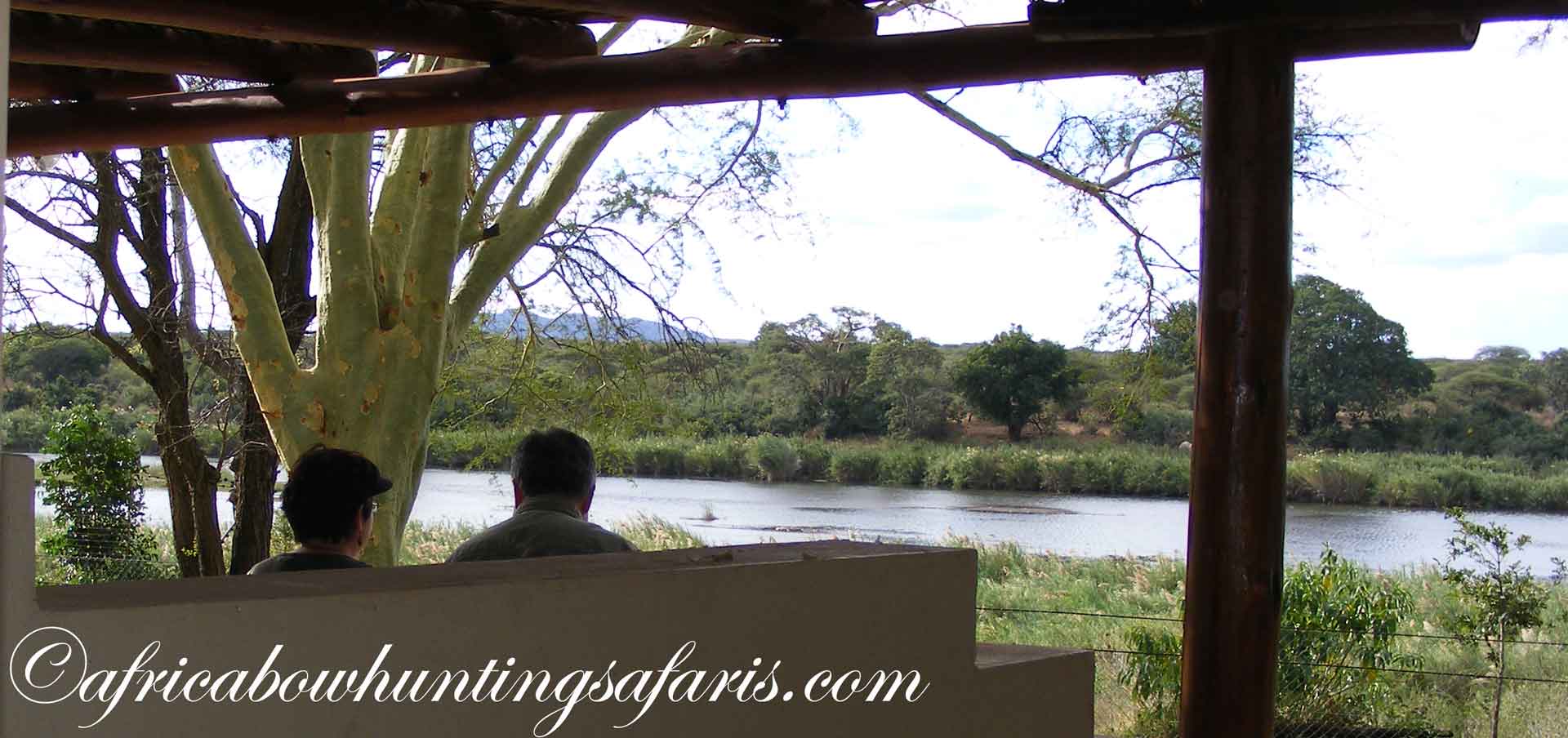
After a thrilling day in the field, relax in comfortable accommodations and enjoy delicious meals prepared by our skilled chefs.
Beyond the Hunt:
Immerse yourself in the rich Zulu culture, visit historical sites, and explore stunning natural wonders.
Your Ultimate Bow Hunting Safari Awaits
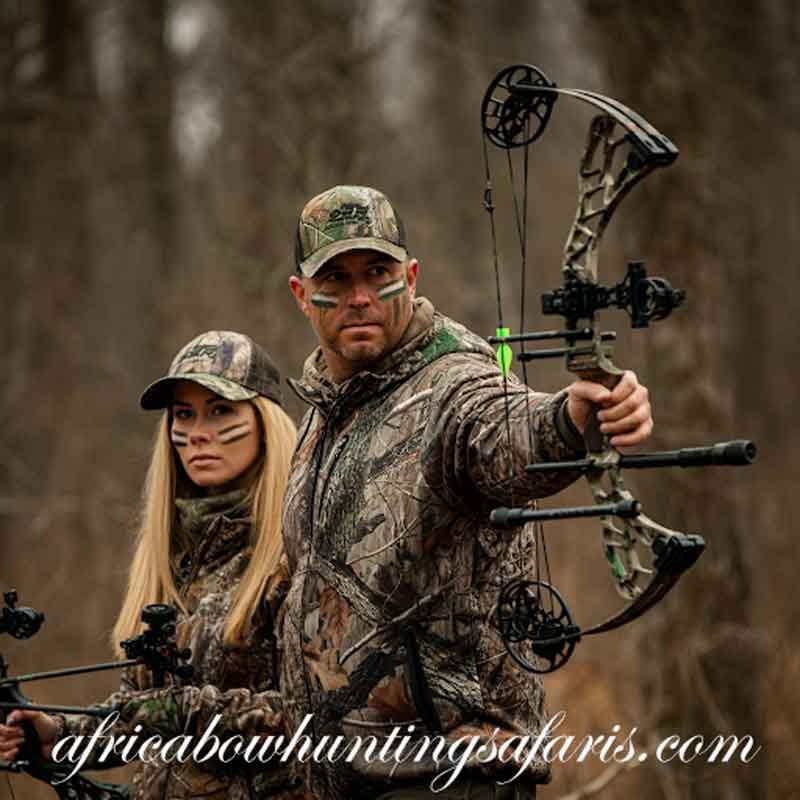
Family bow hunting safaris in KwaZulu-Natal
Hunters are always concerned about bow hunting safety in KwaZulu-Natal (or anywhere else) when they have their families with them. Rest assured, we will be with you every step of the way and will not take you anywhere where safety is an issue.
Bow hunting accommodation in KwaZulu-Natal
We stay where you stay and if we are uncomfortable, we know you will be uncomfortable. Therefore, our partner lodges are of a higher standard and will take your comfort into consideration at all times on our KZN bow hunting safaris.
The regulations for guided bow hunting tours in KwaZulu-Natal are subject to the federal bow hunting regulations. The main difference lies in the bow hunting permits KwaZulu-Natal per individual animal that applies. Whereas some animals in other provinces do not require special tags, some animals in KZN require permits.
Luxury bow hunting safaris in KwaZulu-Natal
If luxury is the name of your game, we have the luxurious lodge and hunting safari for you. We guarantee anonymity.
Trophy Trails Outfitters
Weare committed to providing unforgettable hunting experiences while prioritizing ethical hunting practices and wildlife conservation.
Contact us todayto book your dream bow hunting safari in KwaZulu-Natal.
Bow hunting KwaZulu Natal information for interest’s sake
About KwaZulu-Natal
Kwa = Place of,
Zulu refers to the initial inhabitants of the easterly coastal province and Natal
Natal is the former name of KZN and stems from the Portuguese word: Natal. Natal in Portuguese means: Christmas. Vasco da Gama, a Portuguese explorer, first sighted the coast of South Africa on the Indian Ocean side in 1497. Of course this happened on Christmas day of that same year, after which he named the area: Terra Natalis. In later years the first European pioneers who arrived in present day Durban (Capital city of the Natal Province) started a trading post known as Port Natal. These early pioneers were mainly British.
Prior to the arrival of the pioneers, the Bantu-speaking people occupied the area (Prefix Ba = Of. Ntu = human / person. BaNtu thus meaning a human being). The local tribes were later united into a single, mighty tribe known as the Zulu people. Their fearless leader was Shaka Zulu who, according to historians, ranked as a military tactician along with Napoleon Bonaparte.
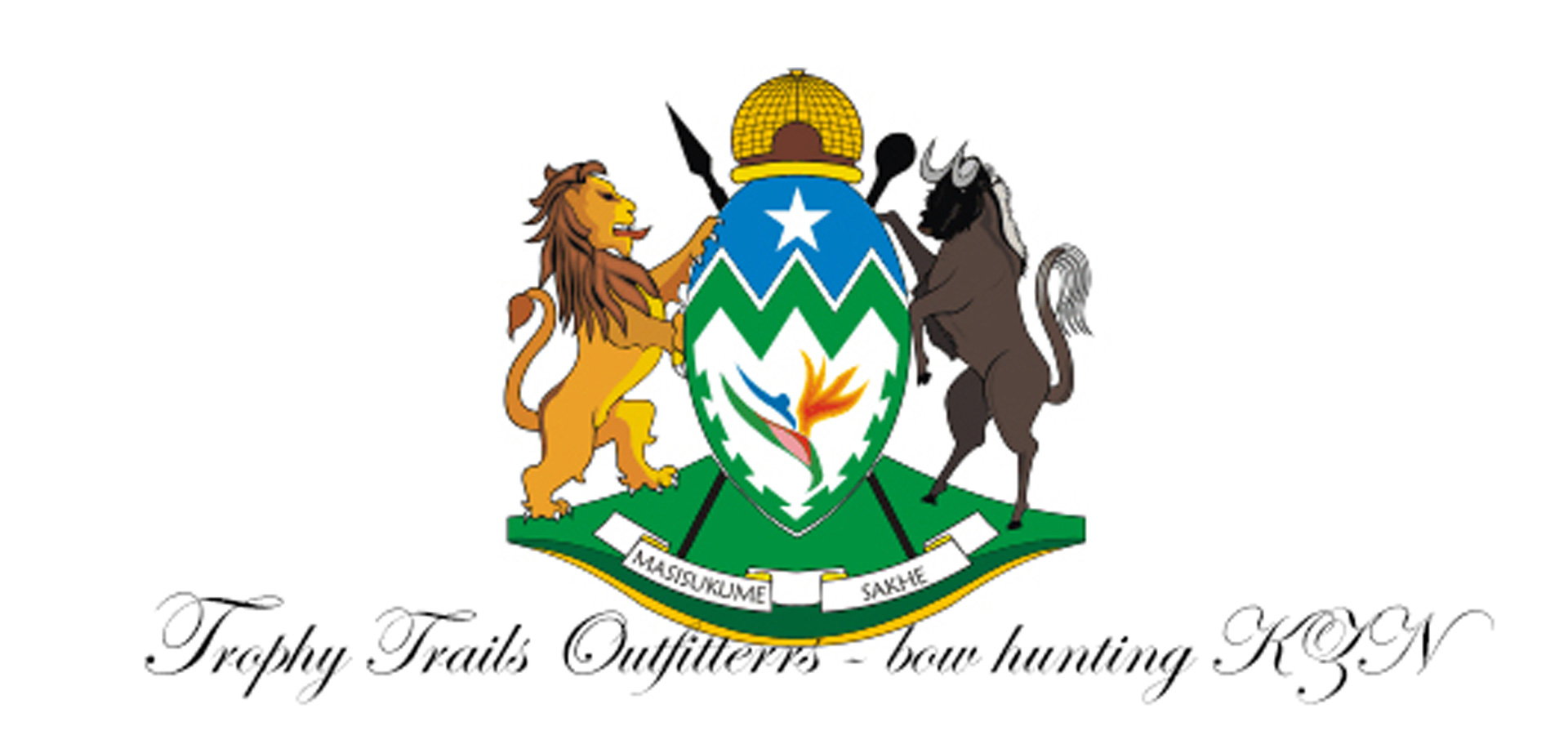
Arms: A Nguni shield, made from thick hide of beef takes center stage. Nguni is the collective name for people of Zulu-, Xhosa- and Swazi descent. A strelitzia flower (Strelitzia reginae) forms part and parcel of the shield. Strelitzia is commonly known as the bird of paradise flower. This is a flowering plant native to the Cape Provinces and KwaZulu-Natal. It is an evergreen perennial, with a taste for water and a dramatic flower. It is widely cultivated in South Africa and can be seen in the garden of many homes.
Of course an assegai (short stabbing spear) and a knobknierie (short, hard stick with a large rounded root at the end) mark the two famous fighting tools of The AmaZulu People.
Crest: A beehive hut: traditionally the Zulu people built huts in the shape of a beehive.
Supporters: Lion and black wildebeest (white-tail gnu).
Motto: Masisikume Sakhe – Let’s stand up for Him
Information obtained from AI Overview and Wikipadia. Images from Wikipedia unless stated otherwise.